
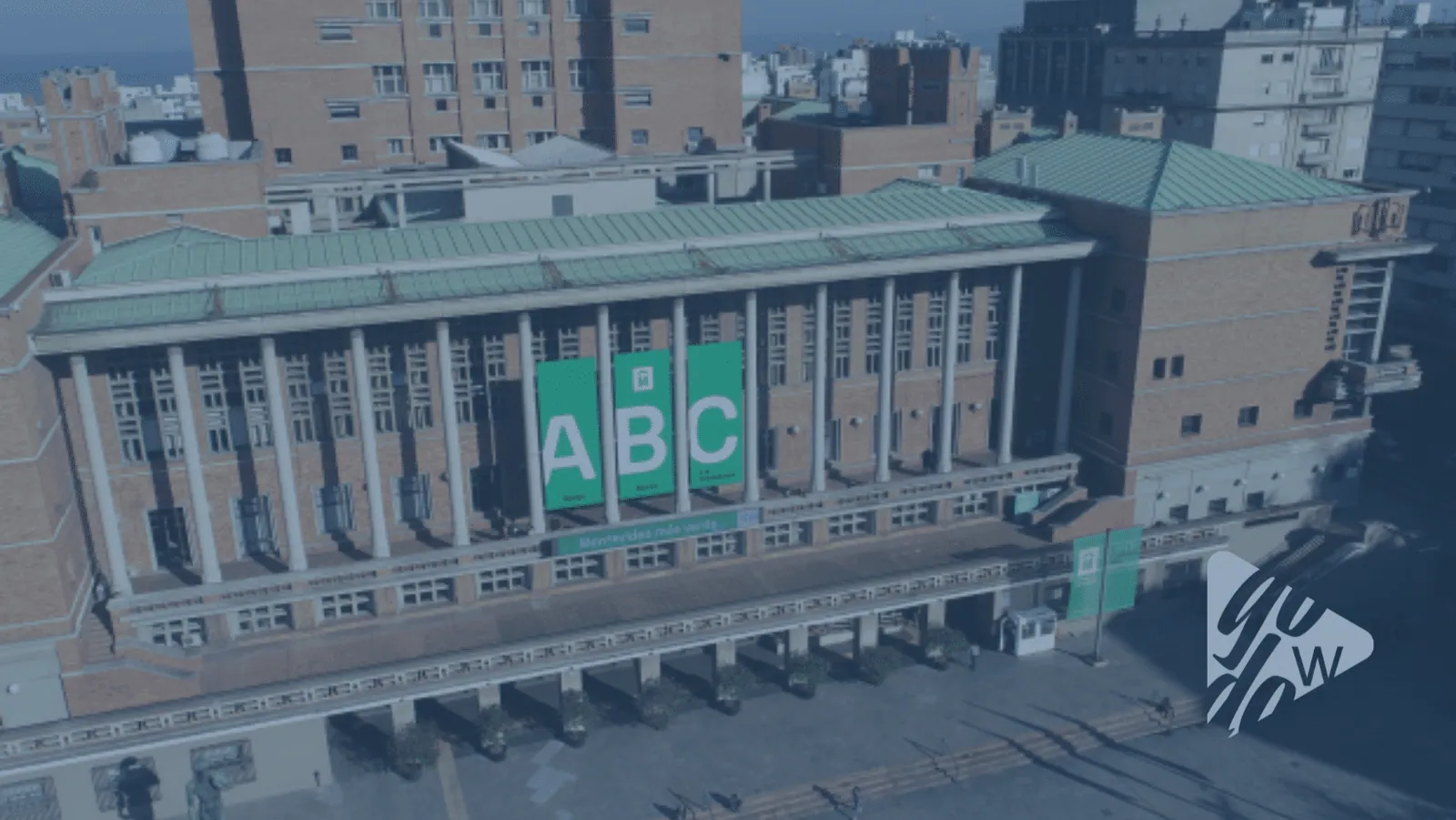
From patchy paper records to traceability and higher productivity: the transport division of the Municipality of Montevideo
- GoDoWorks
- November 26, 2021
GDW Inspections is inspection and audit management software that uses artificial intelligence to manage field staff inside government organizations.
It is a web platform linked to mobile devices that understands the processes of each department, agency or institution and then runs them in the field. Those processes are designed, executed and controlled in the field, that information is captured in real time and consolidated into each organization's key KPIs. The platform is horizontal with vertical applications and is built on geo-referencing or geo-management technology, data analytics and artificial intelligence to build predictive models from historical data.
The benefits of GDW Inspections: higher productivity, process automation and anticipating what's next
One of the main benefits of GDW Inspections is higher productivity, since it captures field data digitally, in a decentralized way and in real time.
On top of that, GDW Inspections automates processes, which streamlines field workflows. The solution GDW designs adapts to every need of your organization by integrating with the main management platforms used worldwide as well as your own in-house tools.
With a gamification module that scores the behaviors you want from technical teams, GDW Inspections motivates them and connects them to the organization's values and goals.
Artificial intelligence makes it possible to predict how demand will behave, estimating the kind of work field staff will do and the skills that will be needed to meet it.
Finally, GDW Inspections is a tool with guaranteed quality.
Success story: the transport division of the Municipality of Montevideo
The transport division of the Municipality of Montevideo is responsible for managing both public and individual transport, and it regulates, sets rules for, inspects and plans everything relating to public passenger transport, taxis, private hire vehicles, ambulances and school transport.
Before GoDoWorks: paper records, errors, wasted time.
Before GoDoWorks, the division worked on paper, filling out reports for inspections carried out on the street and at bus terminals; when they finished, inspectors had to go back to the office and transcribe everything into the systems to get the information organized.
Those sheets also had to be scanned and emailed to the operator, so the company could see the condition of the vehicle and act on it.
This way of working brought real difficulties. The main ones were finding the paperwork tied to each inspection — that is, the traceability of that inspection — and, when an inspection was repeated for a formal warning, having no documentation. Some staff recall having to keep large stacks of blank forms and being careful not to run out. It also happened that inspectors had no history for a vehicle while inspecting it: without the previous inspections, they could not compare whether its condition had improved or worsened.
The consequence of working on paper, without a digital tool to streamline the flow of information, was doing the work twice, plus a lack of traceability that hurt productivity. Before GDW Inspections, inspectors kept no exact record of the vehicles they inspected, so they often inspected the same vehicle twice by mistake.
It is also worth mentioning the time lost transcribing data into the system so it could produce statistics. For many inspectors, that time in the office is time they could spend on the street — in the field, inspecting vehicles.
In short, the biggest difficulty for the transport division of the Municipality of Montevideo was centralizing the information gathered across different areas so it could become monitoring that the authorities could use to make decisions.
After GDW Inspections: mobile device, traceability, connectivity
The goal of bringing GDW Inspections into the work of the Transport division at the Municipality of Montevideo was to adopt technology in order to systematize and deliver a better service to the public.
Today the division uses a mobile device that makes inspections faster and delivers the information in real time, both to the municipality and to the transport operators. GDW Inspections also lets inspectors see each vehicle's history, so they can tell whether its condition has improved or worsened. And because they work from mobile devices, they can photograph the damage. Thanks to the geo-management that artificial intelligence provides, inspectors now record breakages, scratches, broken lights or windshields, and the cleanliness of the vehicle — at the doors, on the seats or on the ceiling. Those photos go straight to the operators so they know where to focus.
It is worth noting that the GDW solution has helped inspectors improve their inspection times.
Government software has to be secure in how it handles information, something GDW Inspections covers fully. Another thing GDW Inspections takes seriously is that a solution like this has to be sustainable over time, so that both the administration and the service providers can count on the quality holding up.
Finally, the use of the GoDoWorks tool at the Municipality of Montevideo is expanding to other areas and services — proof that the experience has been a clear success.
Recent posts
- Hotel operations control: how to grow without losing the standard
- GoDoWorks cuts costs and strengthens data security with OCI
- Field productivity: the answer to rising wage costs
- GoDoWorks, AWS and BGH lead a Bogotá event on the future of AI in field operations
- GoDoWorks: end-to-end field service management for government organizations
Categories
- Public sector operations in the field
- Healthcare field operations
- Inspections and field audits
- Logistics and last mile
- Partnerships and partner ecosystem
- Retail and shelf execution
- Field sales force
- Technical service management in the field
- Trade marketing and in-store execution
- Process automation and BPM
- GoDoWorks company news
- All articles
- Fleet and heavy machinery management